 Flash News
Where does justice begin?/ Between Gog's speeches and the bullets on the ground, who protects the policeman?
Pëllumb Gjoka speaks about the accusations in the "Metamorphosis" file: They held a public trial for me, I have no connection to the murder of Gjin Ndoji
The injured officer in Korça arrives at Trauma, has received wounds to the jaw and neck
Scandal at QSUT/ Cardiology operating room out of order, patients are sent to private hospitals
Four ways your attention is manipulated
Albania in aggressive aging phase, for the first time in history median age reaches EU

Politiko
2026-06-04 09:34:03
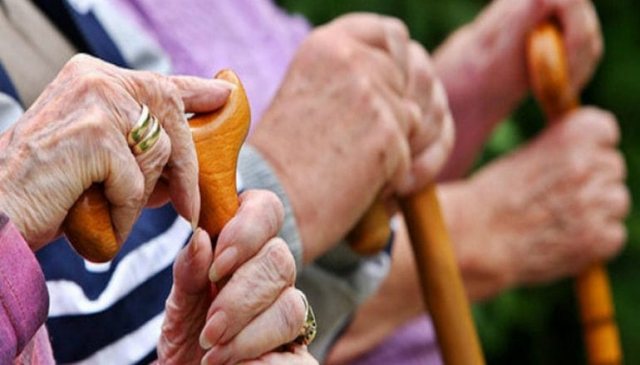
Albania is facing an unprecedented demographic transition, where the pace of population aging is exceeding even the most pessimistic predictions.
The latest official INSTAT data on the trend of median age demonstrate a historic reversal of the age structure in the country, shifting Albania from one of the nations with the youngest population in Europe, to a society with a median age similar to the European Union average.
INSTAT data shows that the median age of Albanians reached 45 years old on January 1, 2026 (median age means where 50% of the population is above this age and 50% below this age), having aged by 7 months in one year. Data for 2026 in the European Union have not yet been calculated, but on January 1, 2025 this indicator was 44.9 years old.
From 2014 to 2026, the median age of the Albanian population increased by 10.8 years, while in the EU during this period this indicator increased by only 2.4 years. Albania aged 4.5 times faster than the EU over the last decade, the data show.
While the European Union has followed a linear and slow aging pace since 2014, growing by an average of 2 months per year, Albania grew by 6 months each year. This trend accelerated particularly in the last two years, with the median age rising from 43.4 years in 2024 to 44.3 years in 2025 and most recently to a record value of 45.0 years in 2026.
This sharp curve means that for the first time, half of the Albanian population today is over 45 years old, officially reaching or even exceeding the European Union level with an average age of 44.9 years, with data from 2025.
This phenomenon of demographic acceleration is explained by the extremely low birth rate and continuous waves of emigration that mainly affect the young and reproductive age. The departure of the vital labor force has left behind a population structure that is rapidly becoming older.
The consequences of this transformation are expected to be profound and long-term for the country. The labor market will face a shortage of human resources and an increase in the average age of the workforce, which could hamper productivity and harm the competitiveness of local businesses.
On the other hand, pension and social security schemes will experience extraordinary financial pressure, as the ratio between contributors and beneficiaries is narrowing to critical levels. In parallel, the healthcare system will need to be urgently reoriented towards geriatric services and the treatment of chronic diseases, requiring higher public funds. Demographic developments are at risk of becoming the heaviest burden on sustainable development in the coming decades./ Monitor
Latest news




Video/View from the scene where the policeman was killed in Maliq
2026-06-04 11:52:46


SPAK knocks on Igli Tare, former footballer included in Balluku file
2026-06-04 11:16:36


Four ways your attention is manipulated
2026-06-04 10:52:57
Policeman's murder, Bardhi reacts: Shocked, I strongly condemn the serious act
2026-06-04 10:30:35
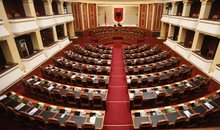
Parliament holds a minute of silence for the officer killed in Maliq
2026-06-04 10:25:48


Photos of two young men who drowned in the sea in Lezha emerge
2026-06-04 09:44:40

What anxiety is really trying to tell you
2026-06-04 09:24:37
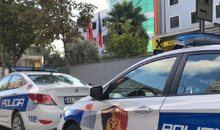

Maliq/ Officer killed during police operation, another injured
2026-06-04 08:31:21
Horoscope, get to know the star forecast
2026-06-04 08:21:37
Unstable weather conditions, weather forecast for this Thursday
2026-06-04 08:06:35
Morning Post/ In 2 lines: What mattered yesterday in Albania
2026-06-04 07:50:52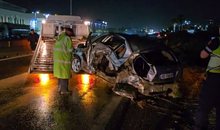


Tension in "Air Albania" after Israel's goal, Hysaj clashes with Gloukh
2026-06-03 22:21:33
Debutim i hidhur për Maran, Shqipëria mposhtet nga Izraeli
2026-06-03 22:01:35
Këlliçi: Rama është sot një Kryeministër i ezauruar totalisht
2026-06-03 21:38:01
Costa porosit liderët: BE-ja s’mund të bëjë detyrat e shtëpisë të Kosovës
2026-06-03 21:16:35
6 në 10 persona përdorin AI për shëndetin mendor
2026-06-03 20:56:11
Tifozët kuqezinj fërshëllejnë himnin izraelit
2026-06-03 20:34:01

"Resign, we want revolution", citizens chant outside Rama's office
2026-06-03 19:58:32
The two young men who lost their lives in Shëngjin are identified
2026-06-03 19:43:35
Official lineups for the Albania-Israel friendly are published
2026-06-03 19:18:56
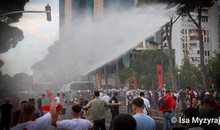
Video/ Police throw water on the crowd, protesters break the metal fence
2026-06-03 18:59:00
The best professions for free time and less stress
2026-06-03 18:48:43

The Federation of North Macedonia excludes Shkëndija Tetovo from the Cup
2026-06-03 18:16:04
Blow for Broja, his value on "Transfermarkt" drops to 5 million euros
2026-06-03 17:53:09
Bulqiza miners in protest, miners demand improved working conditions
2026-06-03 17:29:39


Trump admits clash with Netanyahu: I asked him to stop the escalation in Lebanon
2026-06-03 16:30:32
By 2030, 45% of women are expected to be single and childless
2026-06-03 16:19:53


Alarm for the Rossoneri! Uzun risks the challenge against Israel
2026-06-03 15:52:21
Two people were injured by a bomb explosion in Përmet, police provide details
2026-06-03 15:35:24
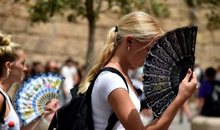
The heat wave does not spare Spain, 101 people lost their lives in May alone
2026-06-03 15:09:35
Hearing for the defendants in the Veliaj case, SPAK gives its claim
2026-06-03 14:56:31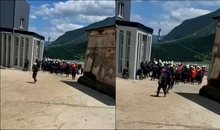

Murder of Martin Can, Appeal decision for Mario Përlleshaj postponed
2026-06-03 14:18:24
Can hackers steal fingerprints from photos on social media?
2026-06-03 14:02:14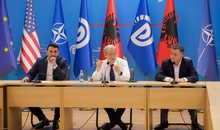

Explosion in Përmet, two people seriously injured, one urgently sent to Tirana
2026-06-03 13:41:21
Berlin signals opening of Europe-Russia talks on Ukraine
2026-06-03 13:27:09
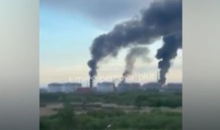
Explosions at oil terminal, footage from the attack in St. Petersburg
2026-06-03 13:01:14
CNN: US-Iran ceasefire is straining, oil prices rise again
2026-06-03 12:42:57

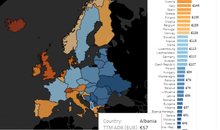
Albania becomes the second most expensive in the Balkans for daily rentals
2026-06-03 12:13:35



Berisha on the trial against Meta: Political farce ordered by Rama
2026-06-03 11:36:15
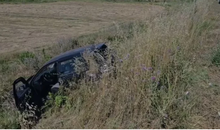
Accident in Levan-Tepelena, car ends up in canal
2026-06-03 11:16:34

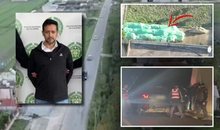

Antonio Costa in Kosovo today, meets Haxhiu, Kurti and party leaders
2026-06-03 10:18:56
'1 million lek to put a cell phone in prison', Beci: 'Flash' checks to seize it
2026-06-03 10:06:29

Horoscope June 3, 2026, discover the star predictions
2026-06-03 09:51:56
Traumat në fëmijëri lënë gjurmë në tru
2026-06-03 09:34:20
Bank robbery in Tirana, guard arrested: He did not act to neutralize the robber
2026-06-03 09:23:25


Foreign exchange/ How much foreign currencies are bought and sold today
2026-06-03 08:25:50
Long note for those who can't read
2026-06-03 08:03:50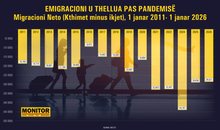
33 degrees Celsius in some areas, as the weather forecast is for today
2026-06-03 07:25:07
Morning Post/ In 2 lines: What mattered yesterday in Albania
2026-06-03 07:01:04
American professor: US priority for Albania remains security and the rule of law
2026-06-02 23:01:00




Appeal removes Ergys Agas' apartment from seizure
2026-06-02 20:39:08